Premium Firewood for Camping
When selecting high-quality firewood for homes and businesses, select hardwoods like oak, maple, and hickory. These timber options burn longer and produce higher heat, and minimize the frequency of refueling because of their dense composition. Ensure the moisture content is less than 20% for effective performance and reduced smoke production. When looking at eco-friendly options, emphasize sustainably sourced hardwoods. By adhering to these recommendations, you'll find firewood that enhances efficiency and environmental responsibility-explore key information further.
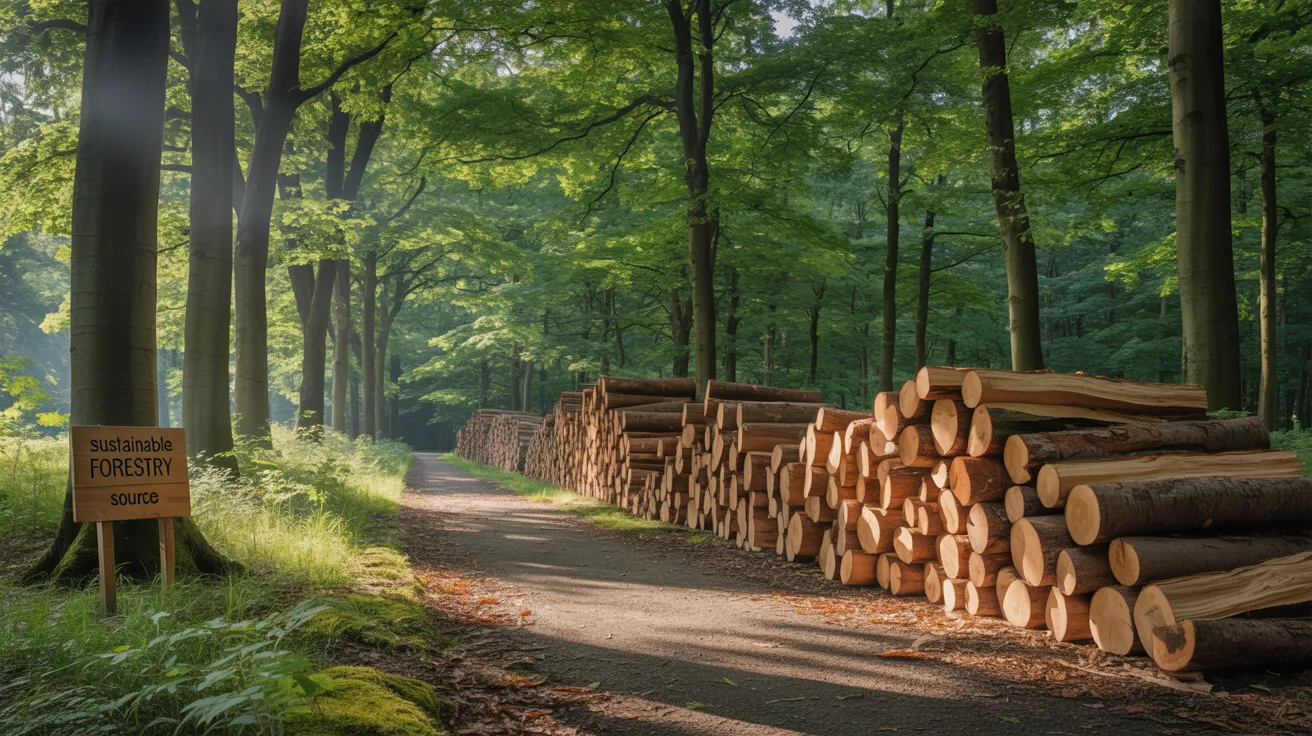
Core Findings
- Hardwood varieties including oak and maple are top-rated for their high heat production and extended burn time.
- Choose well-seasoned firewood that has moisture readings below 20% for better performance.
- Use hardwood varieties rather than softwoods to lower smoke production and creosote deposits.
- Choose environmentally responsible wood for environmentally conscious timber utilization.
- Local firewood sourcing reduces transportation costs and environmental impact.
Key Considerations for Choosing Firewood
When selecting firewood, understanding key factors can greatly impact your burning performance and general experience. First, check the moisture content of the wood. Ideally, it should be less than 20% to ensure efficient burning and minimal smoke production. Too much moisture causes inefficient combustion, creating creosote accumulation in chimneys and greater pollution.
Now, consider the wood varieties. Different species have varying energy outputs and burn characteristics. Hardwoods usually deliver better heat production and extended burning, making them ideal for steady warmth. Meanwhile, softwoods catch fire more readily and can be suitable for kindling. Consider your requirements and storage capacity when selecting the best wood variety. By focusing on moisture content and the appropriate wood species, you'll get better results from your firewood.
Comparing Hardwood and Softwood: A Definitive Guide
Selecting the right type of wood can greatly enhance website your heating performance. Hardwood provides outstanding benefits, making it an ideal choice for many. It burns longer and generates more heat, due to its dense composition. You'll find hardwoods like oak and hickory especially efficient, as they create less creosote and smoke, minimizing maintenance on heating appliances. On the other hand, softwoods, including pine or fir, have considerable drawbacks. They consume more quickly and produce more smoke, leading to increased creosote buildup, which may become a fire hazard. While softwoods are easier to ignite, they aren't suitable for long-lasting heat. Consider your specific needs and compare the hardwood benefits against softwood drawbacks to determine the right solution for your residence or establishment.
Top Firewood Choices for Home Heating
For those seeking to enhance the efficiency of your home heating, selecting the right firewood is essential. Opt for hardwoods like hickory, oak, and maple, which provide excellent burning performance due to their compact composition. These woods burn longer and produce more heat compared to softwoods. Take into account the availability by season of your selected firewood. Oak, for example, is readily available in many regions, making it a dependable option throughout the colder months. Ensure your firewood is properly seasoned, with a moisture content below 20%, to enhance burning efficiency and decrease creosote buildup. Avoid green or freshly cut wood, as it burns inefficiently and may create smoking problems. By picking the right firewood, you'll boost heat production and ensure a comfortable home environment.
Optimal Firewood Selections for Commercial Purposes
For businesses seeking ideal firewood for commercial use, it's essential to focus on operational efficiency. Initially, select hardwoods including oak, hickory, and maple thanks to their high heat output and longer burn times. These types of wood decrease the requirement for refueling, resulting in savings on time and labor costs. Alternatively, softwoods such as pine are not as effective, depleting more rapidly and producing more creosote. Consider commercial availability; buying locally can reduce transportation costs and support timely delivery. Create partnerships with trustworthy suppliers who ensure consistent quality and quantity. Invest in seasoned wood, as it's more dry and burns more efficiently, boosting both performance and safety. By thoughtfully choosing the right firewood types and securing commercial availability, you can optimize your business's heating efficiency and reduce operational costs.
Green Firewood Solutions
Though the environmental effect of firewood is frequently ignored, choosing eco-friendly firewood can significantly reduce your carbon footprint. To attain this, focus on sustainable sourcing. Choose firewood from sustainably managed forests where trees are restored to ensure ecological balance. Seek out certifications like FSC (Forest Stewardship Council) that verify responsible management practices. Hardwoods like oak and maple burn more efficiently and emit less smoke, improving air quality. Don't use wood treated with chemicals, as they emit harmful toxins during incineration. By choosing local firewood, you also decrease emissions related to transportation, further lowering your carbon footprint. Implementing these strategies not only aids in environmental conservation but also provides a more environmentally friendly and more efficient heating solution for your property or business.
Popular Questions
How Should You Store Firewood to Preserve Quality?
To maintain firewood quality, focus on storing wood correctly and controlling moisture levels. Raise the firewood stack allowing air circulation around the logs. Shield the upper portion with a protective cover, but leave the sides open to prevent moisture buildup. Store the stack in a well-lit, moisture-free area to facilitate faster drying. Consider using pallets to raise the woodpile, ensuring rainwater doesn't seep in. Inspect periodically for evidence of deterioration or unwanted visitors.
What's the Standard Price for a Cord of Firewood?
Imagine a welcoming hearth as a sign of warmth and contentment, now contemplate firewood costs. You'll discover that the typical cost of firewood per cord fluctuates significantly, usually ranging from $120 to $400. Elements influencing the price encompass the type of wood, market demand, and transportation costs. When determining a cord, remember it's a stacked volume of 128 cubic feet. Always check rates and investigate local suppliers for the most competitive rates.
How Long Should Firewood Be Seasoned Before Use?
You need to season firewood for between 6 and 12 months to ensure it's ready for use. Proper seasoning reduces firewood moisture to under 20 percent, which enhances burning efficiency and reduces creosote buildup in chimneys. This technique delivers valuable seasoning perks, such as simpler lighting and reduced smoke production. To obtain optimal outcomes, arrange the firewood in a dry area with good airflow, raising it above the ground to facilitate proper air circulation.
Can Firewood Attract Pests or Termites?
Consider firewood like a silent gateway, silently inviting destructive critters into your home. Indeed, firewood may bring these uninvited visitors. For proper pest prevention, store it a minimum of 20 feet from your building, maintaining it raised and protected. This supports termite prevention, as wet conditions and earth contact are their ideal conditions. Perform routine checks and handle any infested wood immediately to safeguard your home from these unwanted visitors.
What Are the Laws for Moving Firewood Across State Borders?
Before ship firewood across state lines, it's important to be informed about regulatory guidelines. Many states have guidelines to prevent the transmission of pests and diseases. Official checks could be needed to guarantee conformity with requirements. Review the rules from both your starting location and the arrival state. It's important to confirm about permit requirements and to comply with guidelines to avoid penalties.
Conclusion
In choosing firewood, evaluate its efficiency and environmental impact. As an example, picture a comfortable home using seasoned oak for its dense heat, while a busy restaurant employs kiln-dried birch to maintain a stable flame in its oven. Both scenarios highlight the significance of picking the suitable firewood for your purposes. Favor hardwoods for sustained heat and softwoods for kindling. Ensure your firewood is responsibly harvested to protect our forests and lower your carbon footprint.